Updated
What is the Internet of Things (IoT)? Definition, benefits, and examples.
The term IoT is the acronym for the concept of the Internet of Things, which refers to a network of physical devices connected to each other and to the Internet that collect, transmit, and receive data without human intervention. This network of smart objects ranges from industrial sensors to everyday devices like smart appliances, allowing for greater operational efficiency and real-time control of assets.
The IoT arises from the convergence between IT (Information Technology) and OT (Operational Technology): a fusion of the systems responsible for data processing and analysis (IT) and the physical systems responsible for controlling and monitoring equipment, processes, and environments (OT). This integration enables the connection between the digital world and the physical world, making possible the automated capture, transmission, and use of data.
In simple terms, IoT is the foundation that allows objects, systems, or machines to "think" and communicate, transforming everyday environments and industrial systems into smart ecosystems.
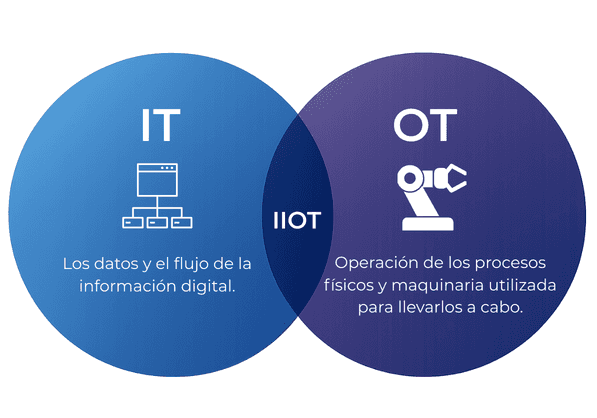
IoT VS. Industrial IoT (IIoT): their main differences
When comparing IoT and IIoT, it is important to understand that while they share a common technological foundation, they differ in their application, technical requirements, and the type of data they manage.
IOT (Internet of Things): It mainly applies to everyday environments, such as homes, offices, or urban spaces. It encompasses connected devices that we use daily, like smartwatches, environmental sensors, virtual assistants, or remote control systems. Its goal is to improve comfort, efficiency, and automation of common tasks.
IIOT (Industrial Internet of Things): It is focused on the industrial and operational environment. It allows extraction, analysis, and communication of data generated by machinery, infrastructures, production systems, assets, and critical processes. Its purpose is to optimize performance, reduce costs, improve security, and support decision-making in sectors such as industry, energy, or logistics.
In summary, IIoT represents an evolution or subcategory of IoT aimed at sectors where operational efficiency, large-scale connectivity, and data-driven decision-making are essential.
Examples of IoT applications in different sectors
The IoT and its industrial aspect IIoT have established themselves as key technologies for transforming operations in numerous sectors. Its ability to collect, analyze, and act on data in real-time allows for process optimization, improved efficiency, reduced costs, and more personalized experiences.
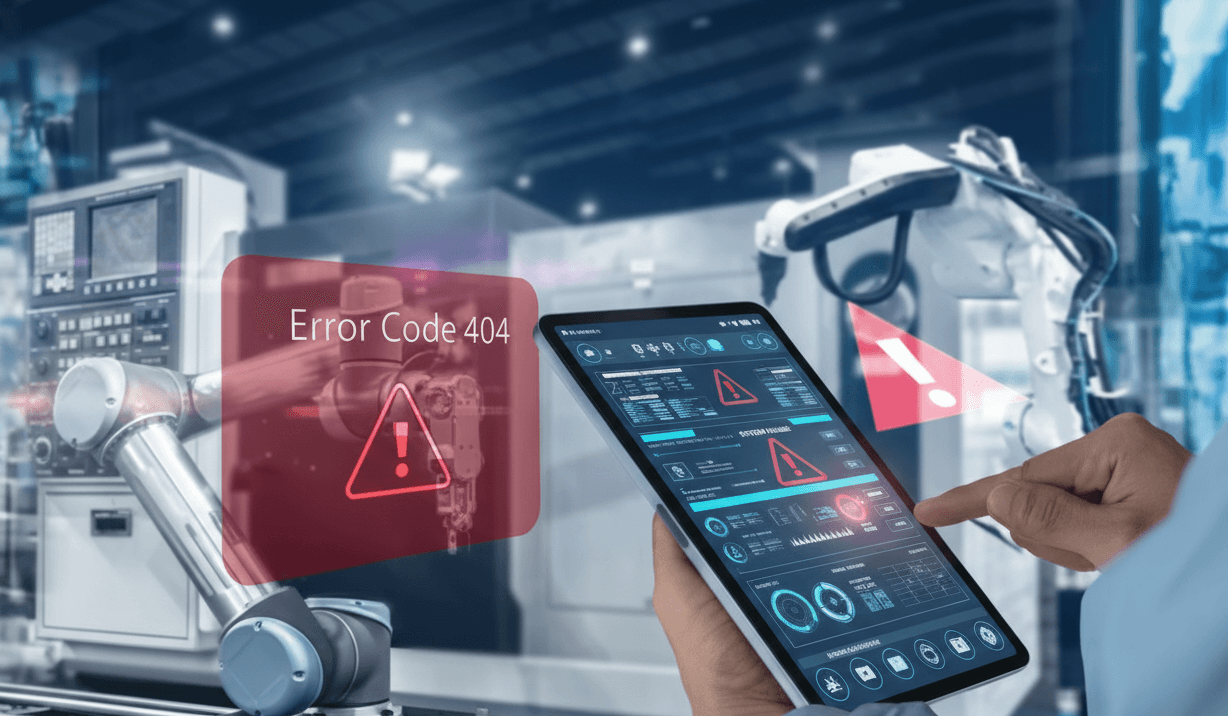
Industry (IIoT): In industrial environments, IoT is applied to monitor machinery, detect failures before they occur, optimize processes, and reduce downtime. Connected sensors, SCADA systems, and real-time analysis platforms enable more efficient and secure production.
Smart cities: IoT allows for intelligent management of public services such as lighting, traffic, waste collection, or energy consumption, improving quality of life and reducing operational costs.
Healthcare (eHealth): In the health sector, IoT devices facilitate remote patient monitoring, medication management, or real-time vital signs analysis, promoting more personalized and efficient care.
Smart buildings: From offices to critical infrastructures, IoT enables the management of HVAC systems, security, access, lighting, or energy efficiency, creating more sustainable and adaptable environments.
Hospitality and tourism: In sectors such as hospitality and tourism, IoT enables customized guest experiences through automated control of lighting or climate for efficient management of energy resources.
How IoT works: Components and architecture
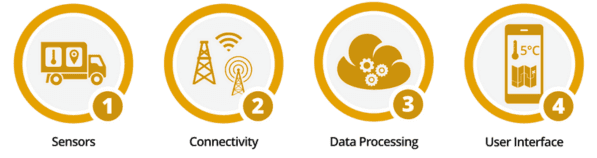
The operation of the Internet of Things is based on a technological architecture that enables connection between the physical and digital worlds. Through sensors, communication networks, and processing platforms, IoT devices collect information from the environment, transmit it, and allow actions to be taken in real-time. It is based on four fundamental components:
IoT devices or connected sensors: Capture information from the environment. They can measure temperature, pressure, humidity, motion, electricity consumption, location, among others.
Connectivity (IoT network): The captured data is transmitted to other layers of the system. This is done through communication technologies like Wi-Fi, Ethernet, 4G/5G, LoRaWAN, NB-IoT, or LPWAN networks.
Data processing and analysis: Once transmitted, the data reaches a processing platform, often in the cloud or on edge computing IoT platforms.
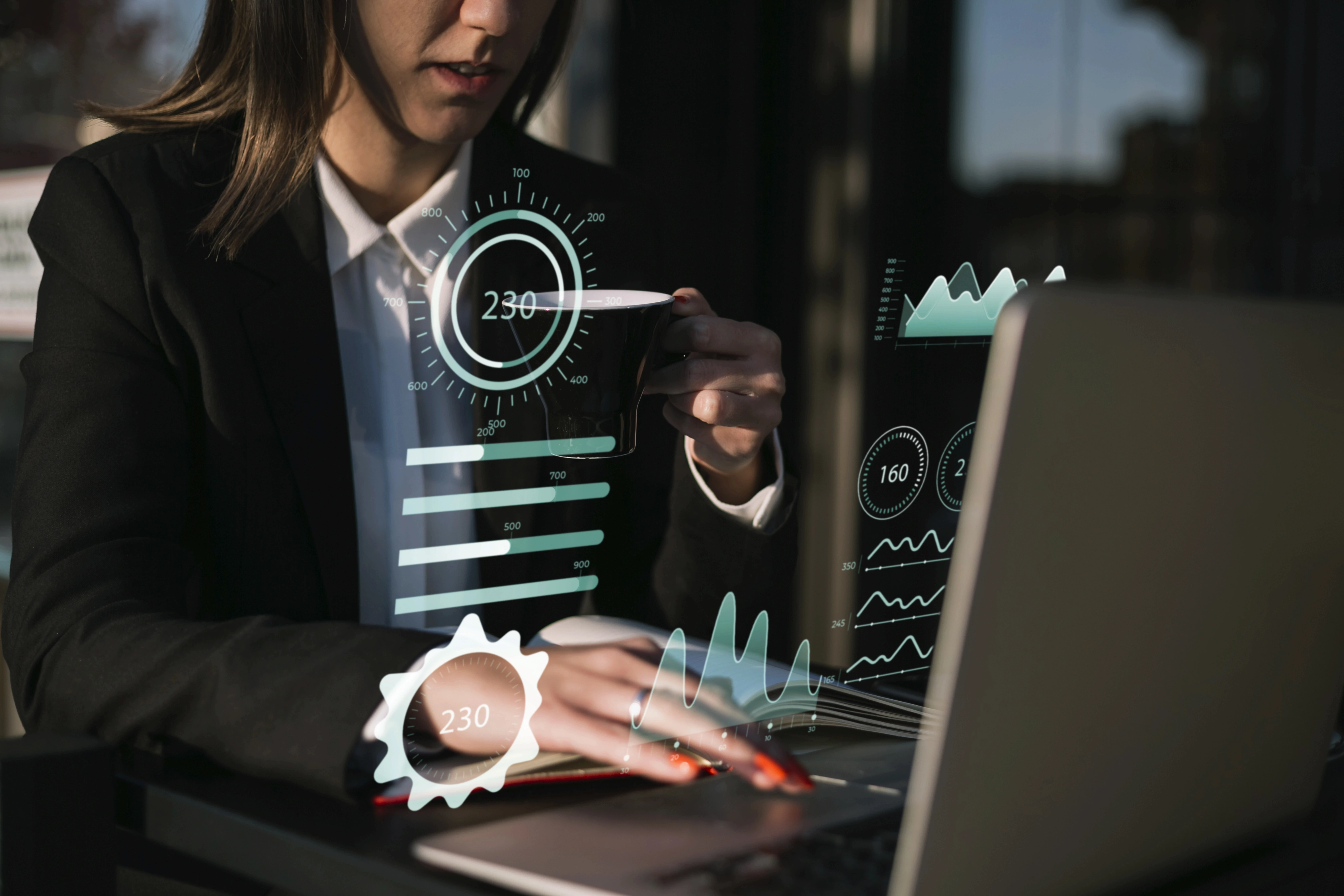
User interface: Finally, the results of the analysis are presented through dashboards, or advanced data visualizations such as those offered by digital twins. This enables users to make informed decisions or, directly, automate responses to certain events: for example, turning off a machine if it detects an abnormal temperature.
The Benefits of IoT for Businesses
The implementation of IoT solutions in business environments offers a wide range of tangible benefits, both operational and strategic. Among the most notable:
Real-time business information: Continuous monitoring of assets and processes provides updated data at all times, improving responsiveness to any situation.
Cost reduction: By detecting inefficiencies, automating processes, and anticipating failures, IoT helps optimize resource use, decrease energy consumption, and reduce downtime.
Process and quality optimization: Access to detailed and traceable data allows for adjustments in production processes, improving the quality of service or final products and ensuring compliance with operational standards.
Delivering customer-centric, data-driven experiences: Thanks to the data collected by IoT devices, companies can better understand the habits, preferences, and needs of their customers. This allows for offering more relevant and personalized experiences, adapting services in real-time, and anticipating demand with specific offers.
Although IoT has represented a significant advance in the digitization of processes and assets, its adoption in more complex scenarios has shown certain limitations. Many IoT platforms do not allow for efficient management of data history, lack advanced capabilities such as predictive analysis or machine learning, or do not offer intuitive visualizations that facilitate understanding and control of the system.
In light of these challenges, the need arises to incorporate a new layer of intelligence and context that allows for interpreting data in real-time, visualizing the state of assets and processes in a comprehensible manner, and anticipating possible scenarios. Digital twins represent that evolution, providing a more advanced, visual, and predictive solution to the limitations of traditional IoT platforms.
From IoT to digital twin software: the new layer of intelligence
Traditional IoT platforms have been essential for connecting devices, collecting data, and facilitating more efficient management of assets and processes. However, as the volume of data grows and systems become more complex, an additional layer of intelligence and contextualization is required. It is at this point that digital twins emerge as a comprehensive solution.
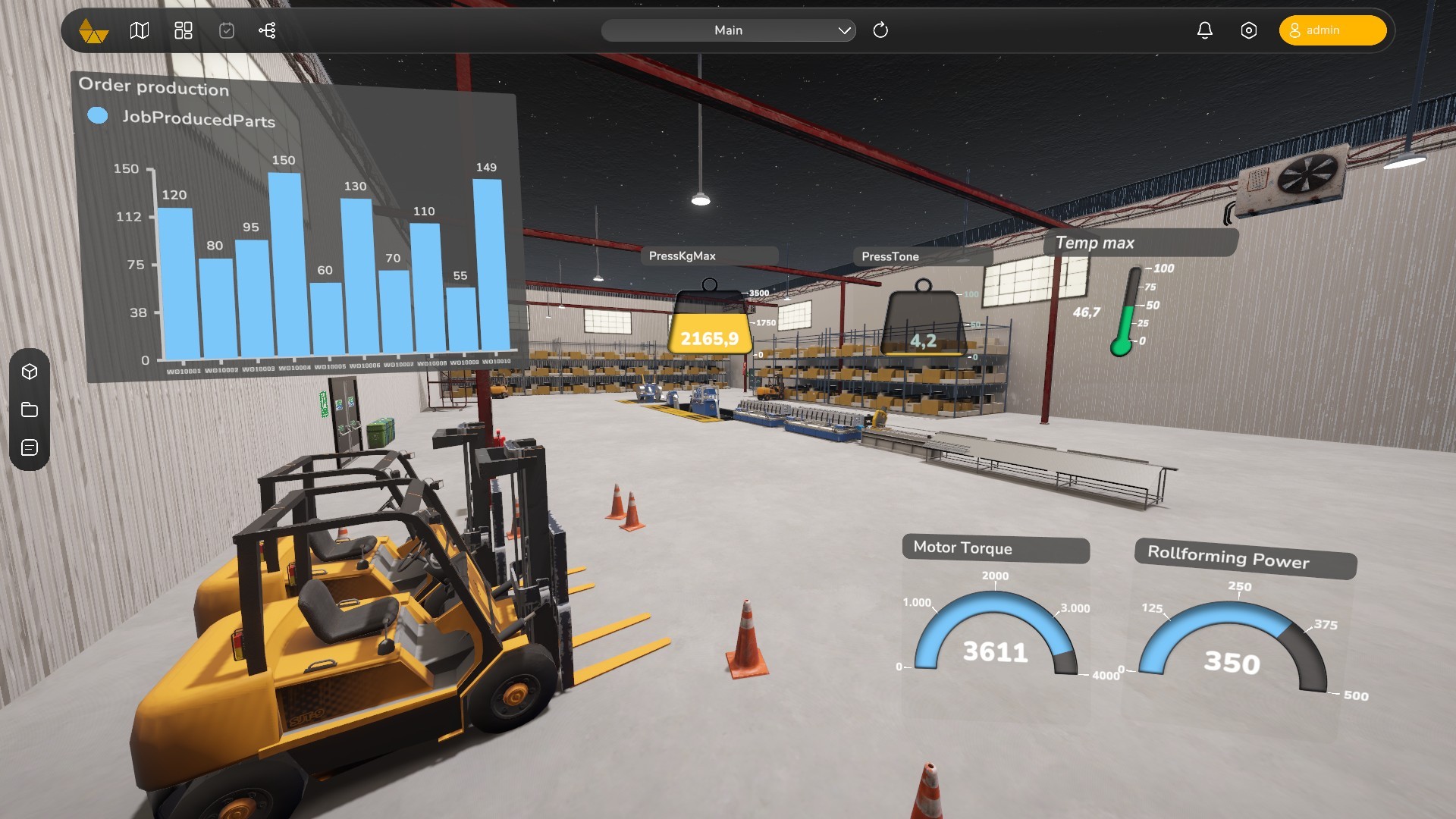
Unlike conventional IoT platforms, a digital twin not only collects and integrates data from various sources but also visually represents it on a 3D model of the physical environment. This approach goes beyond simple sensor monitoring, as digital twins extend the capabilities of IoT by combining visualization, simulation, and optimization into a cohesive model.
In industrial environments, where thousands of variables and interconnected systems are involved, this evolution is especially relevant.
In this context, our TOKII digital twin platform has been designed to offer a comprehensive solution for monitoring, analysis, and advanced visualization. It natively integrates industrial protocols such as OPC UA, MQTT, or SQL and is capable of connecting with different data sources seamlessly. Its flexible architecture allows it to adapt to various sectors and levels of complexity, from individual assets to entire installations.
Additionally, we work in collaboration with a partner ecosystem and specialized analysts, which allows us to customize each implementation according to the specific needs of each project.
If you want to explore how digital twins can enhance efficiency and control in your organization, or if you are interested in collaborating as a technology partner, get in touch to discover how we can help.