Updated
Feb 20, 2026
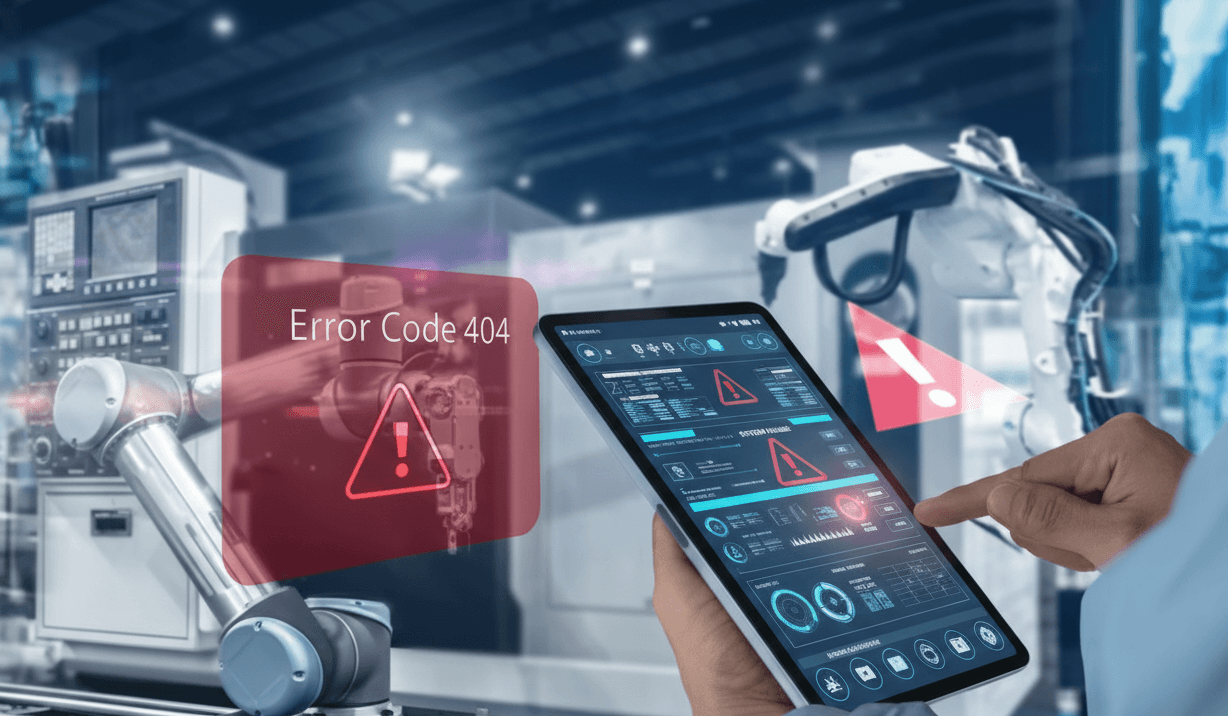
In recent years, real-time monitoring has become a standard practice in industrial environments. The integration of sensors, IoT systems, and supervisory platforms provides continuous information on the status of assets, processes, and energy consumption. However, seeing does not necessarily mean controlling.
Even with automated alerts, a plant failure, machine breakdown, or overheating issue still requires physical intervention, leading to delays, rework, and cumulative losses. According to The Wall Street Journal, unplanned downtime costs the manufacturing industry $50 billion annually.
Industrial remote control helps close this gap. It enables actions such as stopping equipment, adjusting parameters, or restarting systems directly from the same platform used to monitor the asset, minimizing the impact of incidents. Reducing critical minutes of defective operation can translate, over the course of a year, into significant improvements in availability and a reduction in hidden operational costs.
Bidirectional communication in industrial environments
Bidirectional communication refers to the continuous exchange of information between an industrial asset and the platform that manages it. In a traditional model, data flows in one direction: the asset sends information and the platform displays it.
In a bidirectional model, data flows in both directions:
The asset sends real-time operational data (status, consumption, performance, alarms).
The platform can send instructions or commands back to the asset.
This allows for actions such as:
Turning equipment on or off
Adjusting operating parameters
Restarting systems
Checking status conditions
Automating responses to predefined events
In this way, the digital twin moves beyond simply representing the asset’s condition and becomes integrated into its operation, connecting monitoring and intervention capabilities within a single environment.
Benefits of digital twins for industrial remote control
Digital twins are widely recognized in the industrial sector for their ability to replicate industrial assets and processes, simulate process behavior, predict scenarios, and support decision-making. Today, digital twins incorporate numerous technologies that significantly expand their operational scope, consolidating them as one of the most comprehensive digital infrastructures for industrial management.
Among these capabilities is the remote control of assets and systems.
While predictive analytics can be highly reliable (depending on data quality and algorithm training), a margin of error is inevitable. For this reason, in many critical scenarios, it is not only important to anticipate deviations but also to have mechanisms in place to intervene immediately when they occur.
The integration of remote control into the digital twin, enabled by bidirectional communication, allows assets to be monitored and actions to be executed, reducing the time between detection and response.
Remote shutdown technologies, used in heavy machinery to stop equipment in emergency situations, demonstrate the feasibility of this approach. They allow equipment to be stopped remotely without direct physical intervention, reducing risks to personnel and minimizing the impact of incidents.
Although remote control has a direct impact on industrial production processes, its bidirectional communication and automation logic is equally applicable to the technical management of buildings and complex infrastructures.
Remote control and automation: building management in smart buildings
The ability to monitor and control assets remotely represents a significant advance over traditional supervision models. However, it is possible to go a step further by incorporating automation that allows the system to act autonomously under predefined conditions.
In this context, we talk about building management systems, a term that refers to the technical management systems of buildings (BMS) and industrial infrastructures. Unlike home automation (focused on residential areas), building management is applied in industrial, corporate, or public environments, where management requires coordination between complex systems and stricter supervision.
On this basis, automation allows certain behaviors of the building to be managed consistently with the real conditions of use, reducing manual intervention and improving operational efficiency.
Requirements for implementing automation
1: Sensor and IoT layer: The building must have a network of sensors that collect real-time data. Information such as temperature, air quality (CO2, humidity), people counting, weather conditions, energy consumption, lighting, and climate control, among others, can be extracted. These values can be monitored both inside the building and outside, allowing for the establishment of automations.
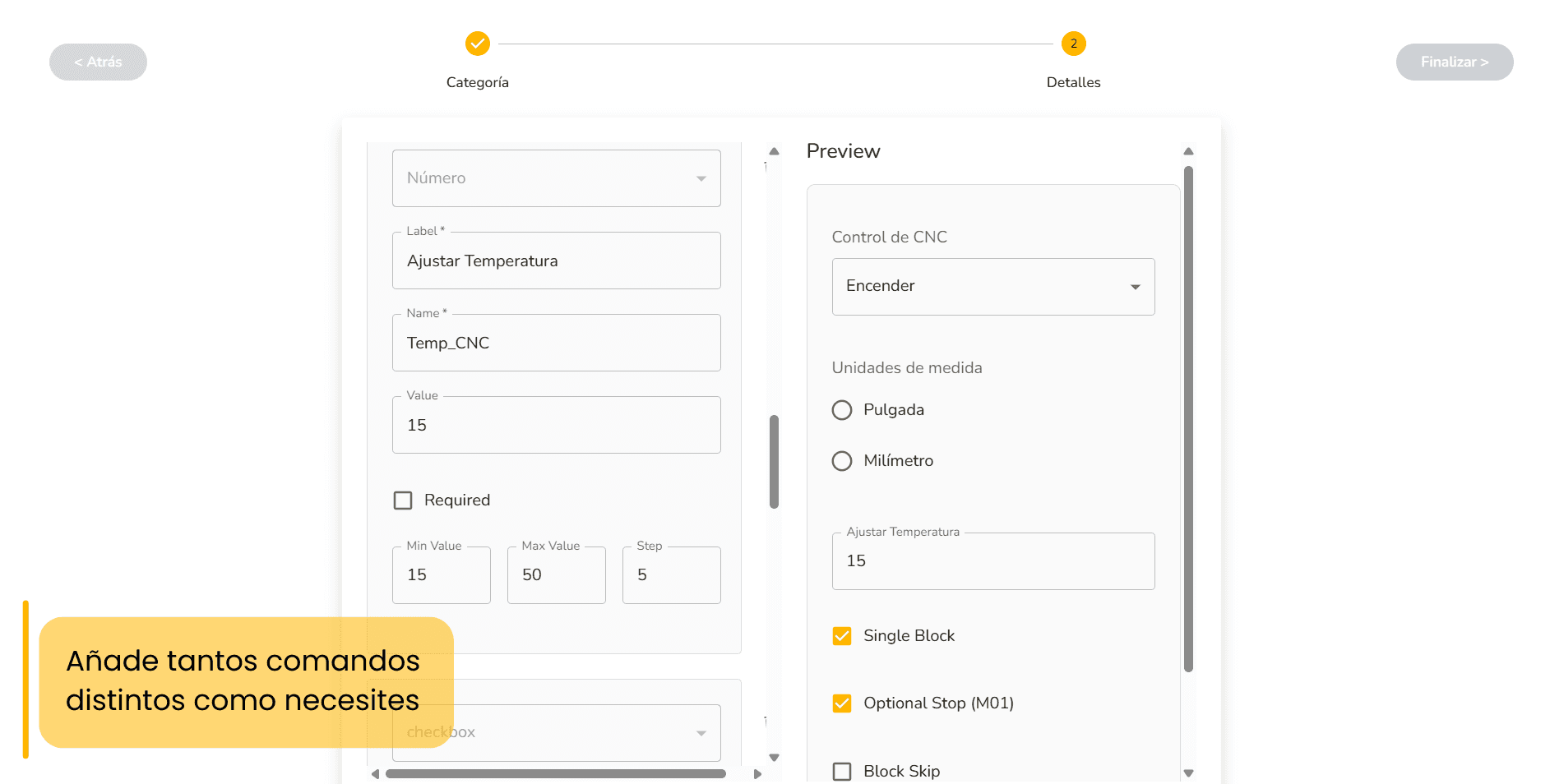
2: Bidirectional connectivity: The ability not only to receive data but also to send instructions to connected systems, configuring through identifying codes the asset that is to be controlled with the platform that enables remote control.
3: Rule engine and automation logic: Definition of activating conditions and the associated actions. For example: “If occupancy exceeds a threshold and CO₂ increases, activate the HVAC ventilation system.”
Once this architecture is established, the digital twin can transition from being a monitoring tool to an operational orchestration layer.
Examples and use cases of automation in smart buildings:
Hospitality sector
In hotels and resorts, automation can optimize comfort and energy consumption simultaneously. Digital twins in hospitality can contribute to:
Dynamic management of pools and spas, adjusting filtration and climate control according to actual occupancy.
Automatic customization of environmental conditions according to type of stay or guest profile, or prolonged absence.
Intelligent management of wellness areas, gyms, or restaurants based on real usage patterns.
Centralized multi-hotel monitoring from a single platform.
Education sector
In educational centers, universities, and campuses, variability in occupancy makes contextual automation particularly relevant. The application of digital twins in education allows for more efficient management of infrastructures tailored to the actual use of spaces, for example:
Remote locking or unlocking of access points according to academic schedules or emergency protocols.
Regulation of lighting based on natural light and occupancy.
Automatic adjustment of energy consumption by building during non-class periods.
Monitoring of kitchens and dining halls with automatic activation of extraction.
Coordination of security systems (fire, evacuation, technical alarms) from a single platform.
Industrial sector
In industrial environments, integrated remote control within the digital twin allows intervention on production processes and critical assets without the need for physical relocation, reducing downtime and operational risks.
Use cases:
Remote reconfiguration of production parameters in response to batch changes or demand.
Selective shutdown of machinery in response to anomalies in vibration, temperature, or pressure.
Automatic activation of contingency protocols in response to process incidents.
Automatic adjustment of auxiliary systems (compressed air, industrial cooling, boilers) based on production levels.
Multi-plant management with immediate remote intervention capability.
Industrial remote control based on bidirectional communication does not replace existing control systems but acts as an additional layer integrating monitoring, intervention, and automation within a single digital environment.
Its implementation requires a coherent integration with existing industrial infrastructure. When these elements align, the digital twin becomes an effective tool for improving responsiveness, operational efficiency, and asset management.
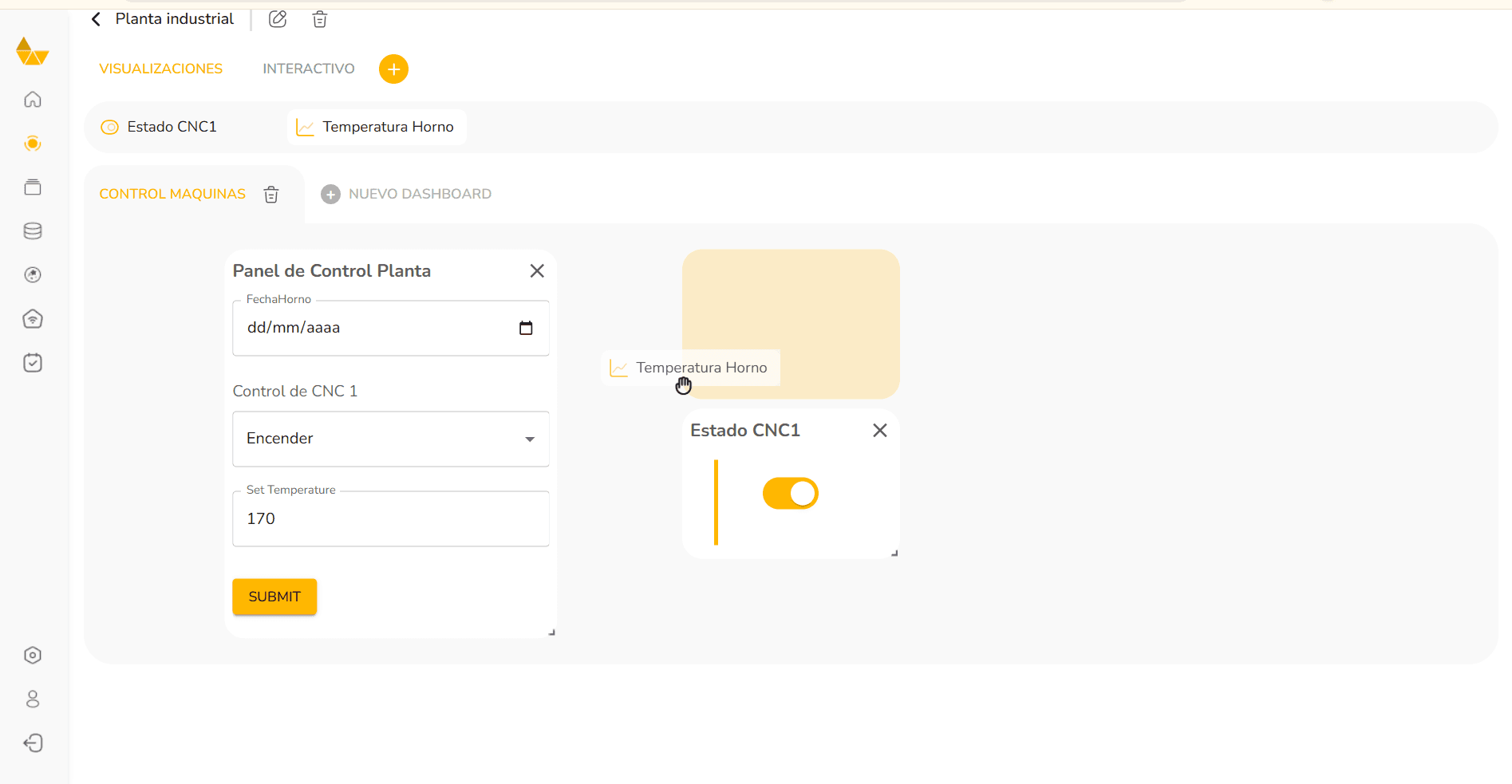
The platform of TOKII digital twins enables this integration in a structured way. Its intuitive interface allows the creation of configurable dashboards via drag-and-drop, integrating visualization and control within the same operational panel.
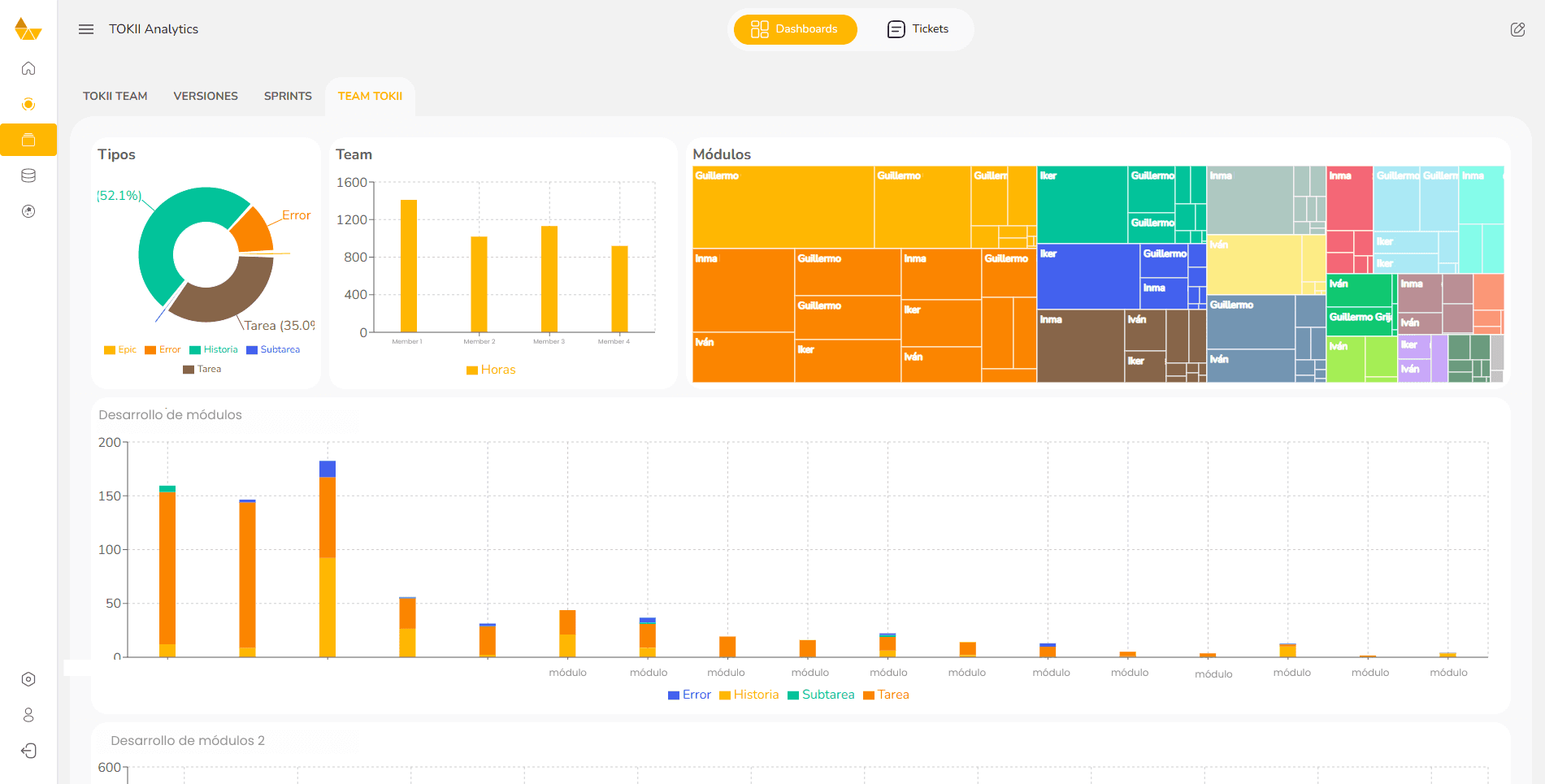
In addition, TOKII also incorporates a system of alarms and ticket management to keep informed if values exceed thresholds and convert them into tasks to resolve if they escalate into problems.
If you want to learn more about TOKII, contact us and request a DEMO. We will be happy to show you the platform and how it can be tailored to your specific case.