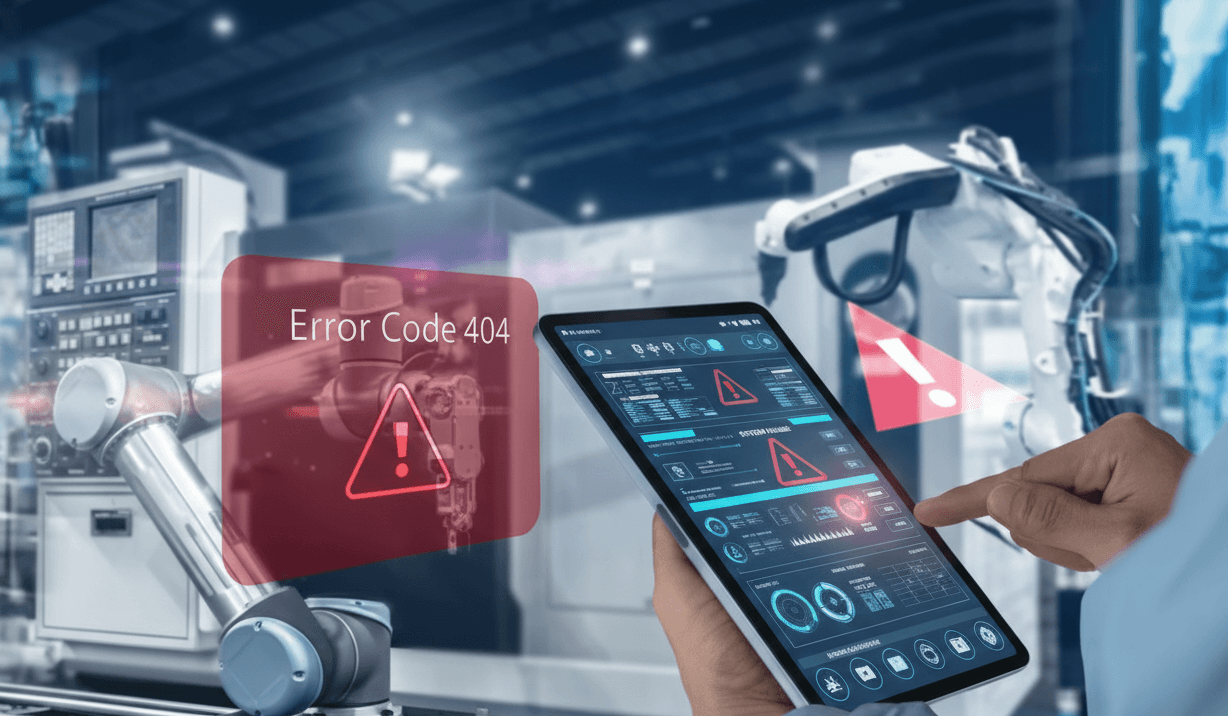

Industry 4.0 represents the fourth industrial revolution, characterized by the integration of advanced technologies such as artificial intelligence, the Internet of Things (IoT), advanced robotics, and big data analytics into manufacturing processes. This revolution is transforming modern manufacturing by creating smart factories in which physical and digital systems integrate seamlessly, enabling greater efficiency and flexibility. In this context, digital twins play a crucial role by enabling the creation of precise virtual replicas of physical systems.
These replicas allow real-time simulation, analysis, and optimization of processes, facilitating predictive maintenance, reducing downtime, and enhancing continuous production improvement. Digital twins increase the responsiveness and adaptability of manufacturing plants, while also enabling companies to innovate quickly and efficiently, ensuring their competitiveness in a constantly evolving market.
Characteristics of Industry 4.0
Industry 4.0 is defined by the integration of advanced technologies that enable the creation of smart factories. Its main characteristics include the interconnection of devices and systems, advanced automation, the ability to process and analyze large volumes of data, and the possibility of autonomous decision-making. Compared to previous industrial revolutions, Industry 4.0 emphasizes digitalization and connectivity.
The First Industrial Revolution focused on mechanization through water and steam power; the Second introduced mass production powered by electricity; and the Third digitalized processes through electronics and information technology. The Fourth Industrial Revolution takes digitalization one step further by creating a fully integrated digital ecosystem that connects machines and processes with products and services.

Digital Twins as Catalysts for Change
Digital twins are precise virtual replicas fed by data collected through sensors and other devices. They allow users to visualize the current state of a system, predict future behavior, and optimize the performance of complex processes. This provides a highly enriched view of the lifecycle of products and systems.
Their benefits include operational optimization and predictive maintenance, improved planning and asset management, and greater business sustainability by minimizing waste and maximizing resource utilization.
Trends in Digital Manufacturing
One of the most prominent trends is the growing demand for sustainability and green manufacturing practices, with technologies and processes aimed at improving efficiency and reducing environmental impact. This includes the use of recyclable materials, reduced energy consumption, and lower industrial waste.
Another key trend is mass customization, in which products are manufactured according to individual customer specifications without sacrificing the efficiency of mass production. Digital twins enable these trends by allowing companies to monitor and optimize resource usage in real time, simulate environmental impact, and adapt production systems to meet customer demands.
The Strategic Role of Digital Twins
Digital twins have become a key strategic tool, enabling continuous monitoring and optimization while driving significant improvements in operational efficiency and cost reduction. This competitive advantage allows companies to anticipate issues before they occur, optimize maintenance, and extend asset lifespan.
Digital twins also facilitate innovation and product development by allowing companies to simulate different scenarios and evaluate the impact of new designs without interrupting real production. This is a clear example of how digital twins support business decision-making in supply chain planning and management. Through advanced simulations, companies can predict the impact of potential disruptions, evaluate different mitigation strategies, and optimize inventory and logistics based on real-time data.
In energy management, digital twins enable companies to monitor and optimize energy consumption at their facilities, reducing costs and improving sustainability.

Financial Support for Industry 4.0
Funding allocated to Industry 4.0 includes significant public financial contributions from regional governments, as well as national and European programs. This support allows companies to implement solutions such as digital twins, which offer tangible benefits such as process optimization and cost reduction.
Taking advantage of these funding opportunities not only eases the financial burden but also strengthens business competitiveness. With the right support, companies can accelerate their digital transformation and improve operational efficiency. At Immersia, we have extensive experience advising companies in this area, positioning ourselves as a strategic partner throughout every stage of this transformation process.
Would you like to discuss your case with us? We can help you integrate these innovations and unlock the full value your data can provide. Request a DEMO.
References:
«Industry 4.0: The Fourth Industrial Revolution explained» (i-scoop).
«Industry 4.0 and the Digital Twin» (Deloitte University Press).
» Digital Twins: when and why to use one» (McKinsey & Company).
«Digital Twins: Bridging the Physical and Digital» (Deloitte Insights).
«Digital Twins: the next frontier of factory optimization» (McKinsey & Company).
«Digital Twins: Transforming Supply Chain and Operations» (IDC & IBM).