Cleaner and more consistent interface experience
In this version, we pay special attention to the small behaviors that, accumulated, define the actual quality of day-to-day life within TOKII.
The adjustments in panels, search engines, and forms remove frictions that affected the smoothness of work. These improvements turn the overall navigation into a more reliable flow, without jolts or interruptions.
Performance and accuracy in visualizations
We continue to consolidate the behavior of datasets and visualizations, which represent the operational core of the environments:
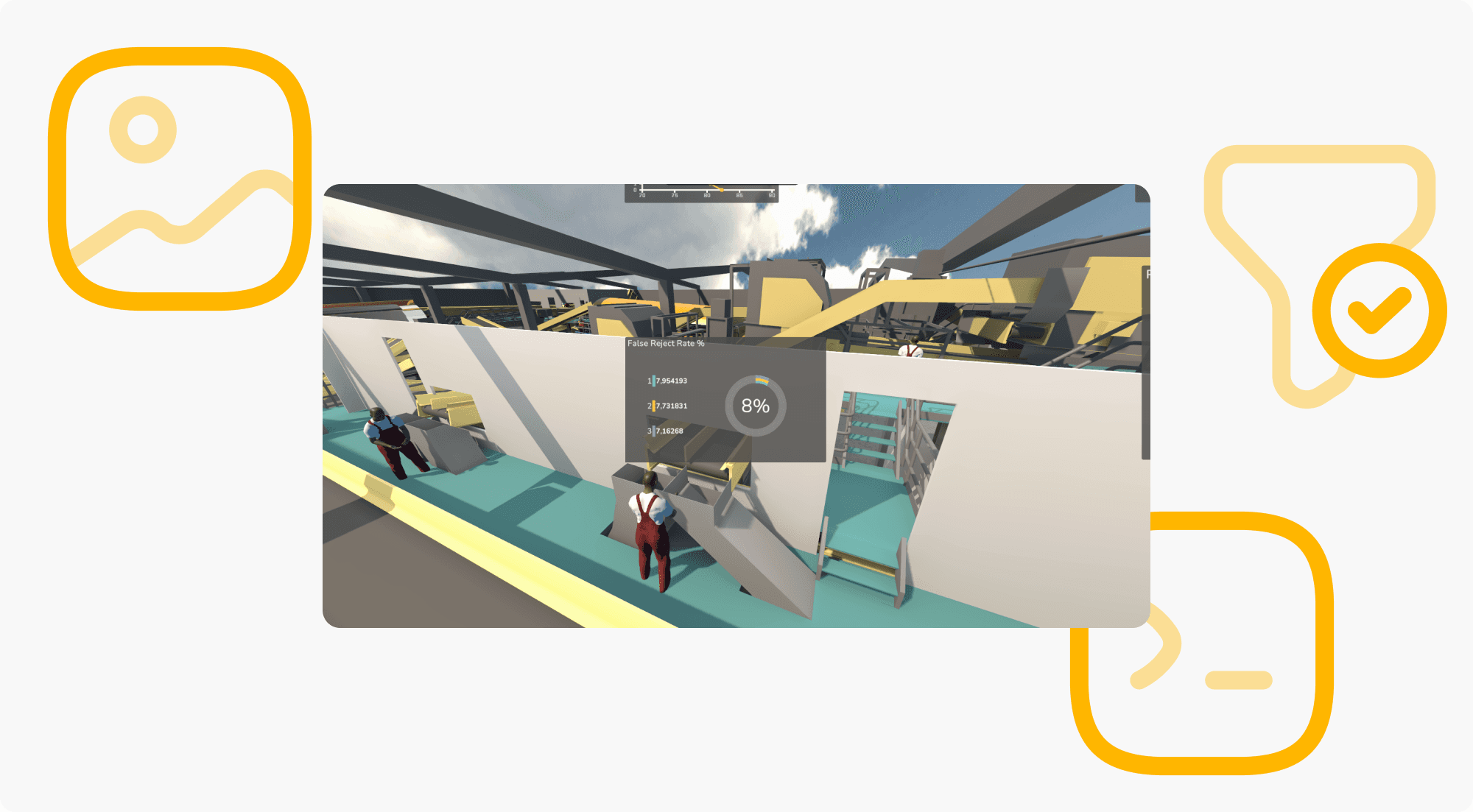
Multiple Percentage calculations when there is no target.
Size and editing configurations when creating or modifying visualizations.
Sleeker design in Multiple Percentage and Donut.
The result: more reliable data, more precise forms, and a presentation more aligned with TOKII's visual language.
Tickets: a more robust, clear module without artifacts
The ticket module is once again the star. The improvements introduced aim to reinforce system stability and perfect a critical flow for maintenance and operations teams:
Multimedia thumbnails respect the original aspect ratio.
Consistency is ensured by removing multimedia.
The calendar responds with more precision, updating instantly.
Navigation flows and permissions: clarity above all
TOKII 2.3 incorporates key improvements to ensure that the platform responds coherently to the user's profile and permissions:
Defined behavior when a user does not have access to Sections.
The reading of global permissions takes on a more centralized and consistent approach.
Interactive navigation elements are hidden when the user does not have access to the section.
A safer, clearer experience more aligned with work roles.
Map filters: stability and a more organic behavior
Scroll lock when using filters.
Visual and operational details to avoid mixed states.
With this, geospatial navigation gains control and reliability.
Internal architecture and technical maintenance
Introduces a series of infrastructure improvements that reduce technical debt and pave the way for future expansions:
New system for managing menu openings.
Code optimization related to alerts.
Review of keyboard sensitivity.
Adjustments in historical data and permissions that standardize behavior across modules.